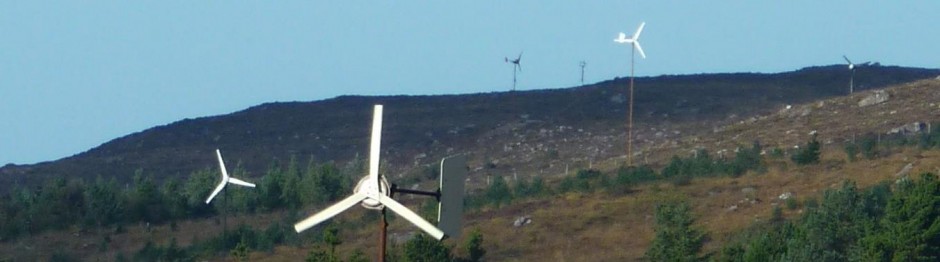
Thanks to Doug Selsam for this helpful commentary on the Coleman 600W turbine that is only 2 feet in diameter and produces three times the notoriously obsolete “Betz limit“.

Thanks to Doug Selsam for this helpful commentary on the Coleman 600W turbine that is only 2 feet in diameter and produces three times the notoriously obsolete “Betz limit“.
The company’s largest creditor is requiring that the assets of Helix Wind Corp and Helix Wind Inc, both Nevada Corporations, be sold via a public auction held at the company’s office on May 11, 2012 at 11 a.m. Pacific Time
It should not surprise us that this very inefficient design of turbine should ultimately end as a financial failure after all of the hype has been exposed and the customers have had their expectations unfulfilled.
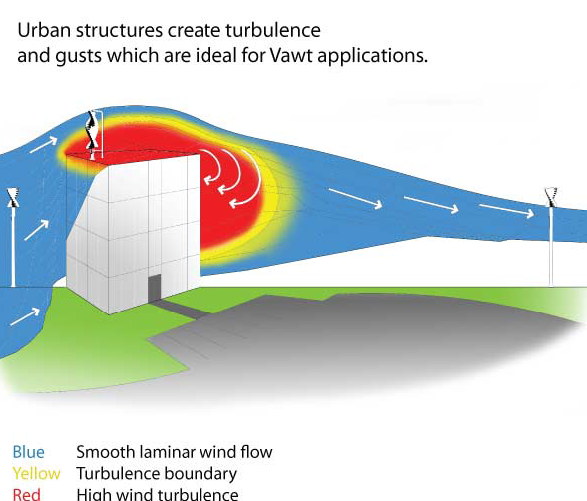
With a cut-in speed of 5 m/s they recommend it be placed on a 15 foot tower in sites with mean windspeed 7 m/s but at the same time they recommend urban rooftop mounting. The wind resource on urban rooftops is generally quite poor. It’s a nice ornament, but at $17,500 USD it’s well over-priced.
Both vertical axis designs and rooftop siting are foolish ideas that have cost a lot of people a lot of grief and brought the small wind industry into unnecessary disrepute.
Example misinformation from Helix website:
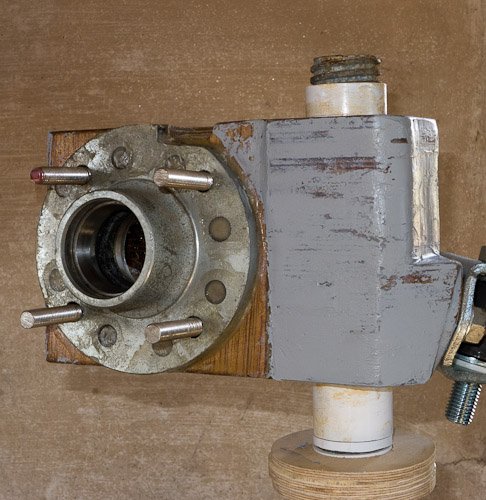
Some novel approaches to small wind turbine construction including setting coils in concrete…
Logic Energy have brought out a low cost but decent quality datalogger for wind.

This logger simply gives you the basic info that you need which is the windspeed distribution – how many hours the wind has blown at each windspeed. Combine this with a power curve of a wind turbine and you can figure out the energy you would have got at that site.
Power consumption is minimal, and download is by inserting an SD card briefly to obtain the data file. WT is fully made in UK under iso 9001 and EMC certified. It’s weatherproof, and for what it is it’s dirt cheap.
Now you just have to figure out what to mount it on…..
What about these ones:
10m : http://www.radioworld.co.uk/catalog/large_mast_33_feet_extended-p-4293.html?osCsid=e36510917af19e0044e5072acf7bc69c
20m : http://www.radioworld.co.uk/catalog/atm-65_11-section_portable_aluminium_mast_19_8m_65ftlong-p-5382.html?osCsid=e36510917af19e0044e5072acf7bc69c
Turbike.org documents the progress of Sean Callagy‘s pedal powered alternator project in Ireland.
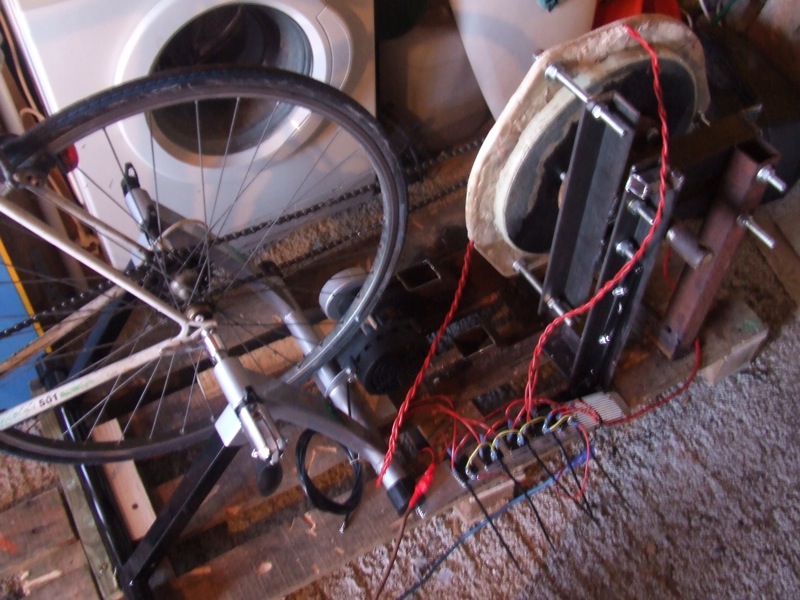
Anyone who is trying to build a pedal powered generator should find this site interesting.
The project is based on an alternator that we built with Eirbyte in a course there in 2010. There will be another course this year in June. It’s always a lot of fun building turbines with Jimmy and Miriam, so I hope you will join us there.
Thanks to Jonathan for this video with some new ideas for coil winding!
Here is a diagram for a simple 48-volt heating control system for a 3 metre ‘recipe‘ turbine. I did this design for Dr Francis Greaves in Ireland.
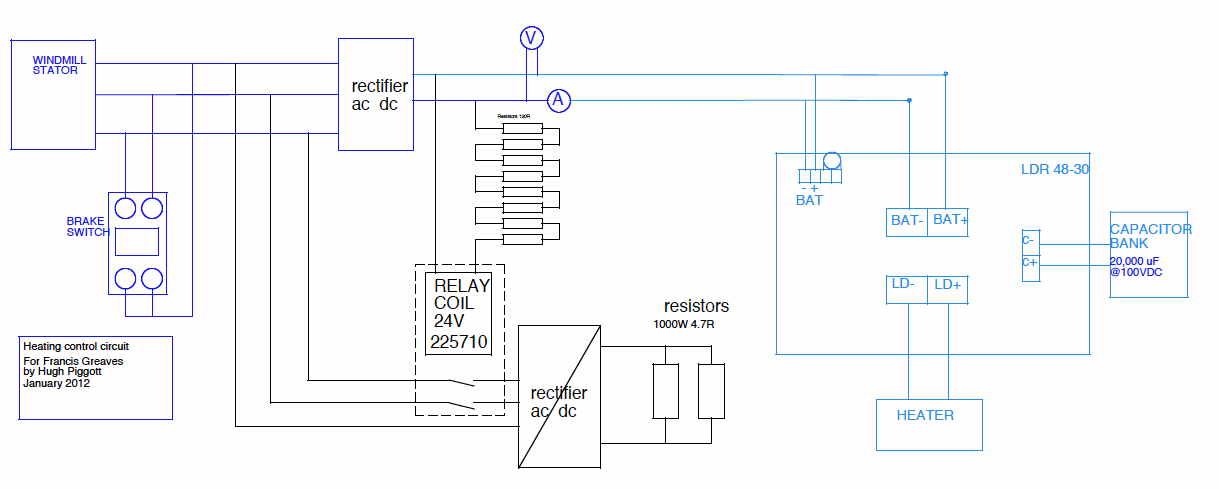
circuit diagram for heating controller including LDR circuit by Solar Converters
Notes:
It’s tricky to use a thermostat to control a DC load and it might damage the LDR if you were to turn off the heater but you could contrive a way to trip the relay on using a thermostat, thus stopping the wind turbine.
You could probably get better performance and higher peak power by adding another heater just after the main rectifier (in series with the DC stuff) before the trip relay wires branch off. This would allow the blades to run a bit faster and give more power without adding to the current in the windings. But it complicates the installation a little bit.
I see no need for fuses or circuit breakers here since there are no dangerous sources of high current, but be aware that the wind turbine could produce dangerous voltages if allowed to run without a load. This is partly why it’s a good plan to have a trip relay.
I have just done a service on our local Proven 6kW (aka Proven 11, aka Kingspan Wind KW6) at the Council’s School here on Scoraig. First time it has been taken down since 2006. Installed in 2003 by Sangsters.
Nothing much goes wrong with this particular turbine. The covers blew off in 2005, and this happened again last November (2011) and I finally got the go ahead to put them back on so I took it down yesterday, and sorted out a few minor issues. Greased the bearings, and replaced some plastic bits and bobs. Renewed the cable-ties and added a few to the covers. Cranked it back up on its 15 metre free standing pole today (took about 45 minutes with a 3200kg Tirfor).
Click on a photo to see it full size, with extra comments in some cases.
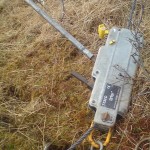
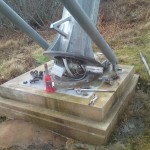

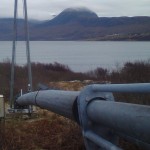
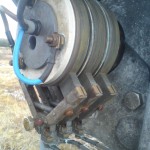
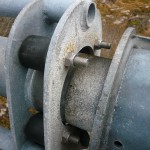
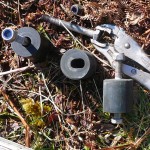
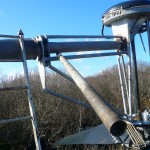
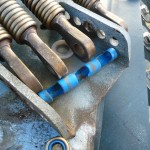
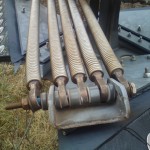
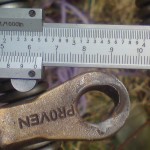
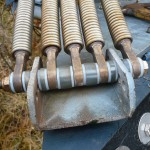
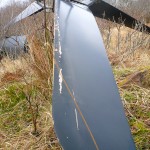

 The Windempowerment web page has settled into a good stride, with interesting posts and lots of reference tools such as the World Map, Calendar and Member Organizations pages.
The forum is also worth watching for the latest questions and discussions amongst groups all over the world who are building turbines based on my designs or variations on them.
Here are some pages that are new, or at least some are new to me. There are a lot more links on my old scoraigwind.com page.
Otherpower have a new page and a new web shop here. Also buckville.com is the Dans’ new web site for workshop courses. Their discussion board at fieldlines.com remains popular
A new arrival on the discussion board scene is anotherpower.com
Here is a Romanian web site for homebrew wind enthusiasts SIA electric offers a range of useful stuff including controllers that boost the voltage in low winds, allowing you to use a winding that has fewer turns and lower resistance.
For vertical axis fans in the USA here is a source of kits and parts
In the UK, V3 are offering parts of wind turbines, custom made and wind-turbine-supplies are offering all the bits and pieces you need to build my recipes.