Why do we need charge controllers? To prevent batteries from being damaged by charging too hard. As you charge a battery, its voltage rises, which is all good up to a point. However if the voltage gets too high the battery may overheat, dry out explode etc.
How do charge controllers work? The controller monitors the battery voltage and limits the charging current to prevent it from pushing the voltage above a chosen level or “set-point”. This diagram shows the process as recommended for Rolls batteries when used with SMA inverters. There are several phases of battery charging, each with its own set-point voltage that the controller should observe. These voltages are also temperature compensated (adjusted to allow for battery temperature rise or fall).
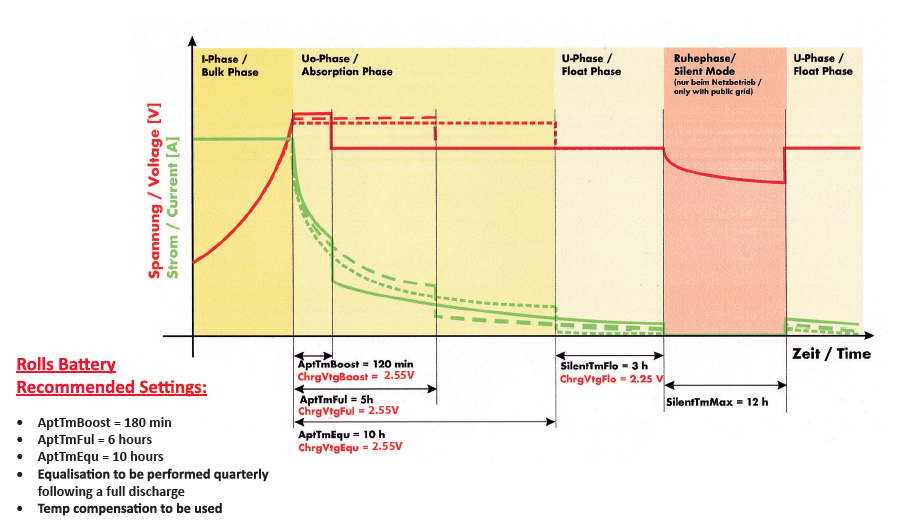
So it can get pretty complex. But a simple charge controller that limits the charge rate to prevent a 12V battery from exceeding 14V during charge may be all that you need in reality. Make sure that your charge controller is set correctly for the battery make and type. Sealed batteries (gel type), for example, may need lower settings for safe operation.
How do they limit the charge rate? Solar charge controllers are wired between the solar array and the battery so that they can act like a switch and turn off the charging current. Mostly they will do this in rapid pulses and control the average charge rate by the width of the pulse (Pulse Width Modulation or PWM). (Often nowadays they will also use Maximum Power Point Tracking or MPPT but this has nothing to do with charge control. It’s just an additional separate function of the charge control device, to improve the performance of the solar array.)
It’s not a case of turning off the charge when the battery is “full” so much as optimising the charge rate from maximum available current at first, down to a trickle charge current into a well charged battery on float.
What is diversion charge control and why is it better? Another way to limit battery charge rate is to divert current away from the battery and into a “dump load” otherwise called a diversion, ballast, or shunt, that is almost always some kind of heater/resistor to dissipate the excess energy safely as heat. The controller is often connected directly to the battery rather than between battery and source. The dump load is chosen so that it can use all the current you will get that is not controlled in any other way. But it must not exceed the amperage capacity of the controller itself. There are two advantages to using the energy rather than switching the current off.
- One is that it can provide useful energy harvest (for making hot water for example and avoiding the need to burn fuel).
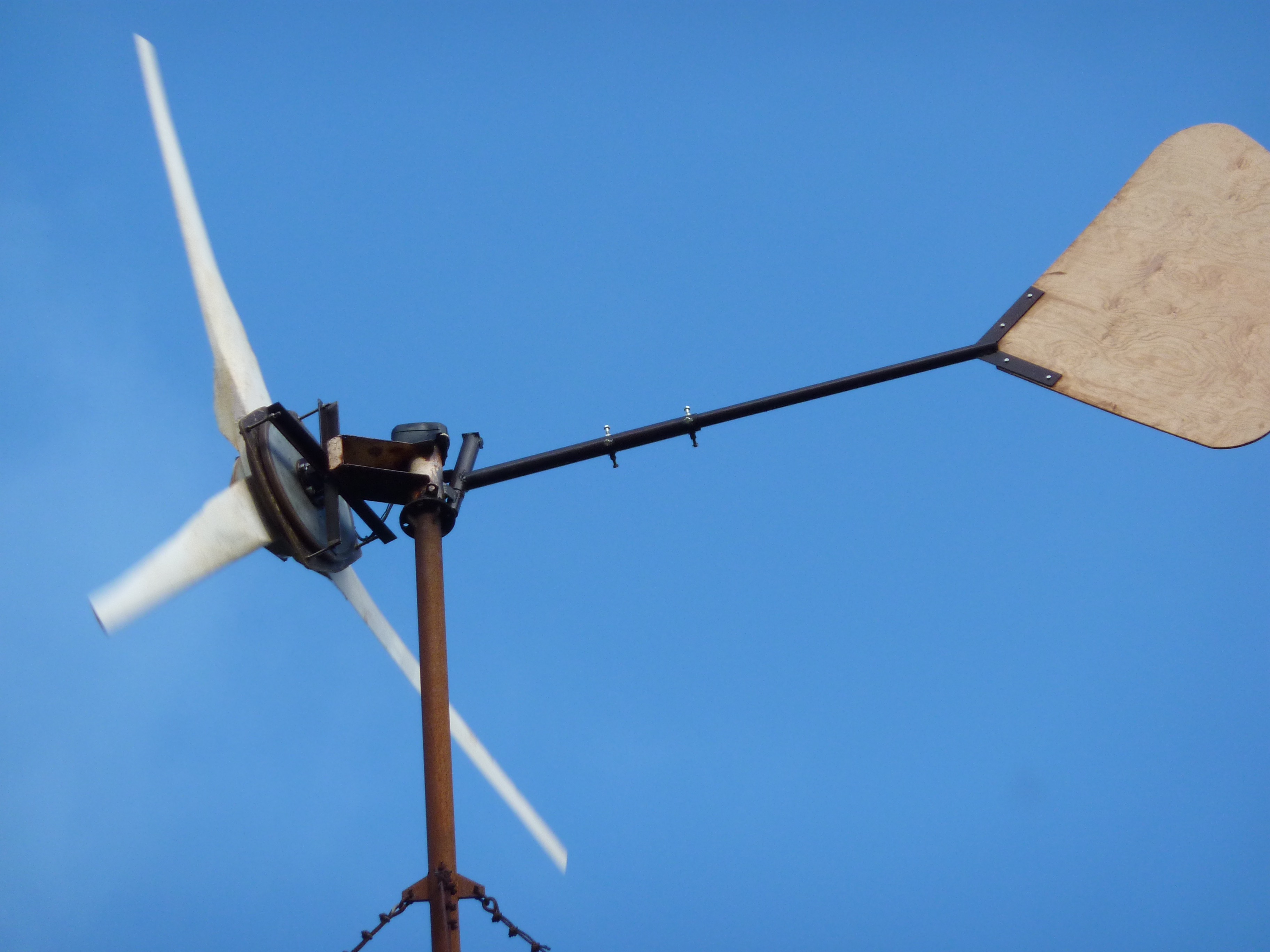
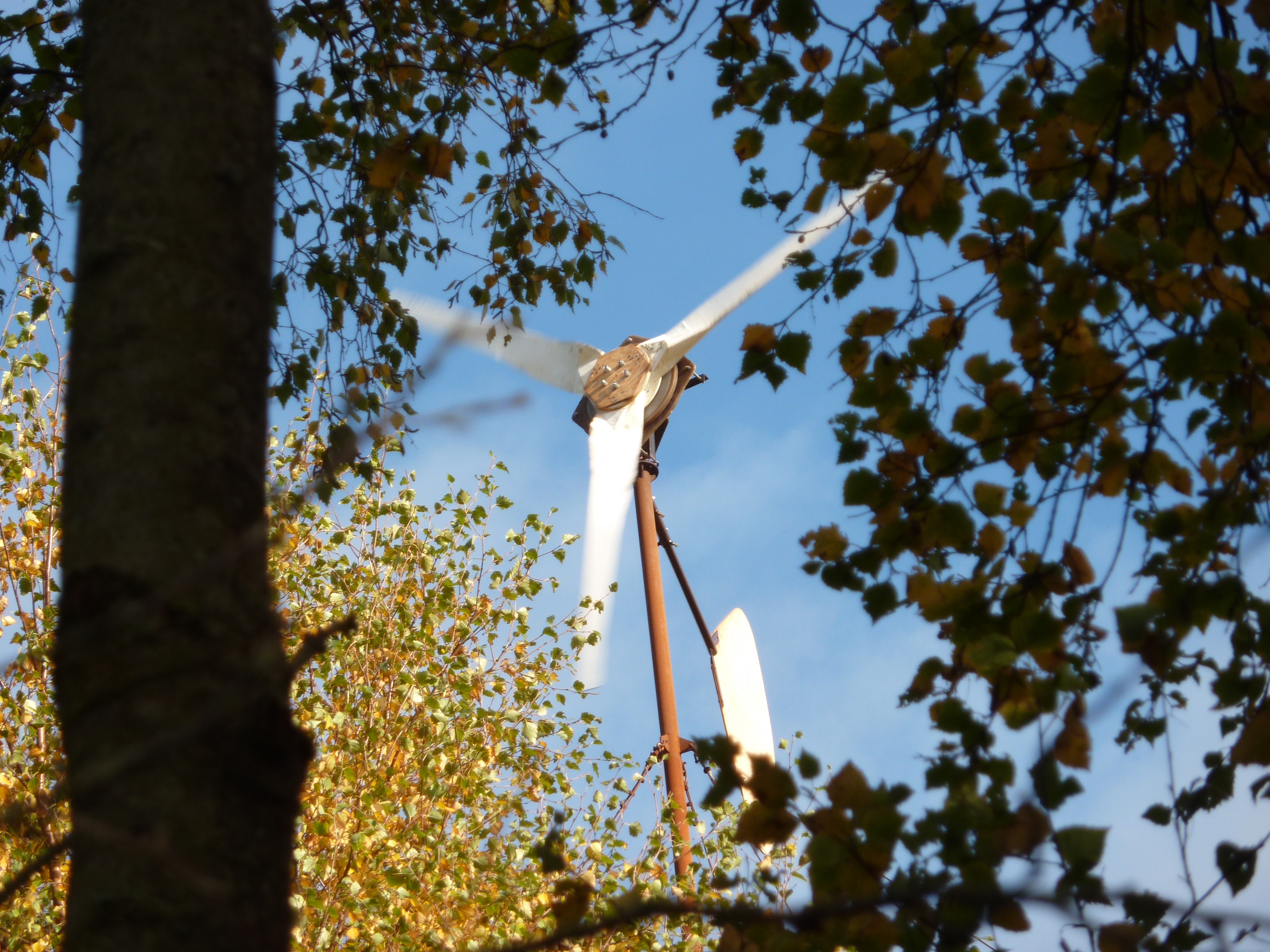
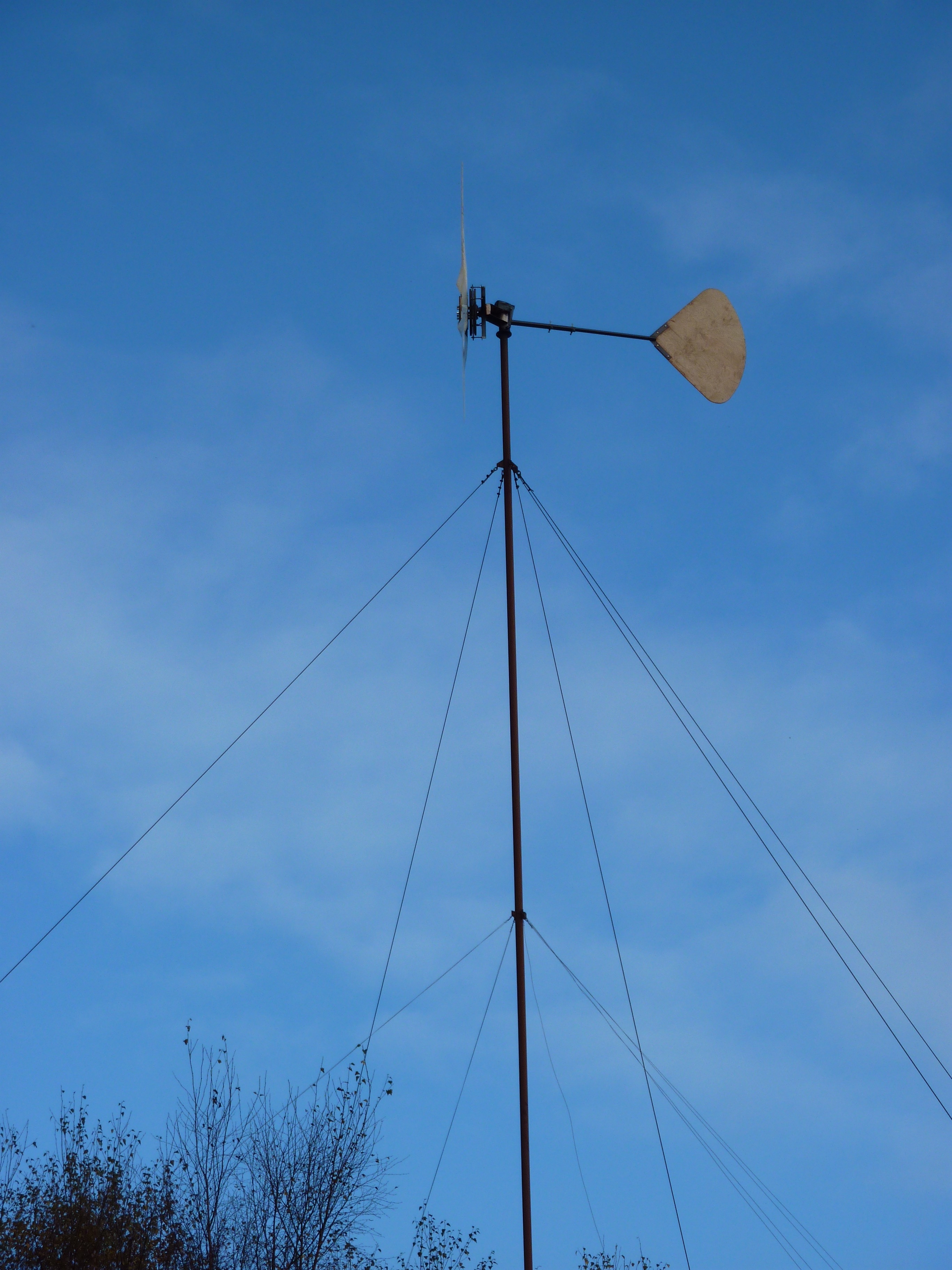
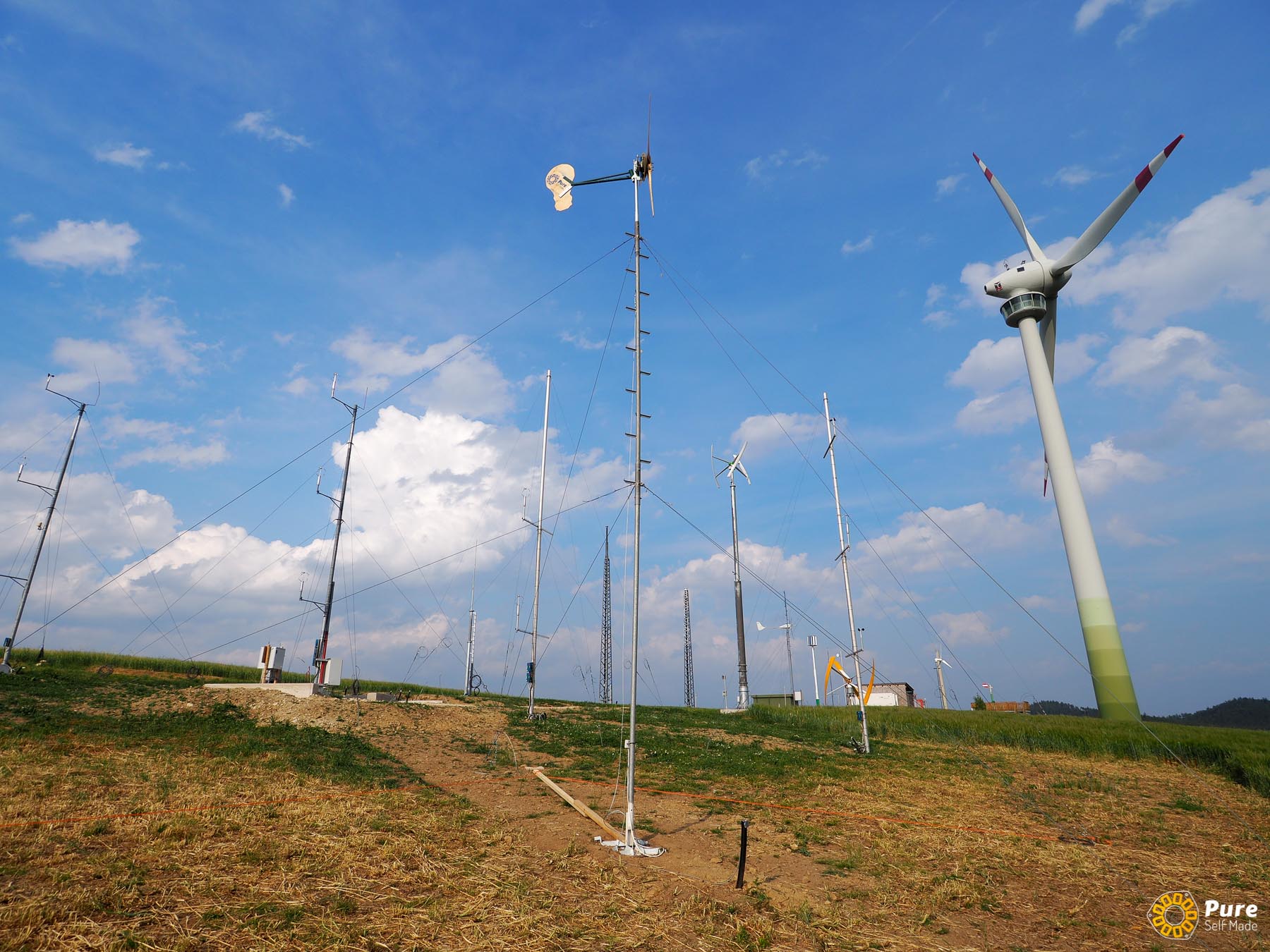
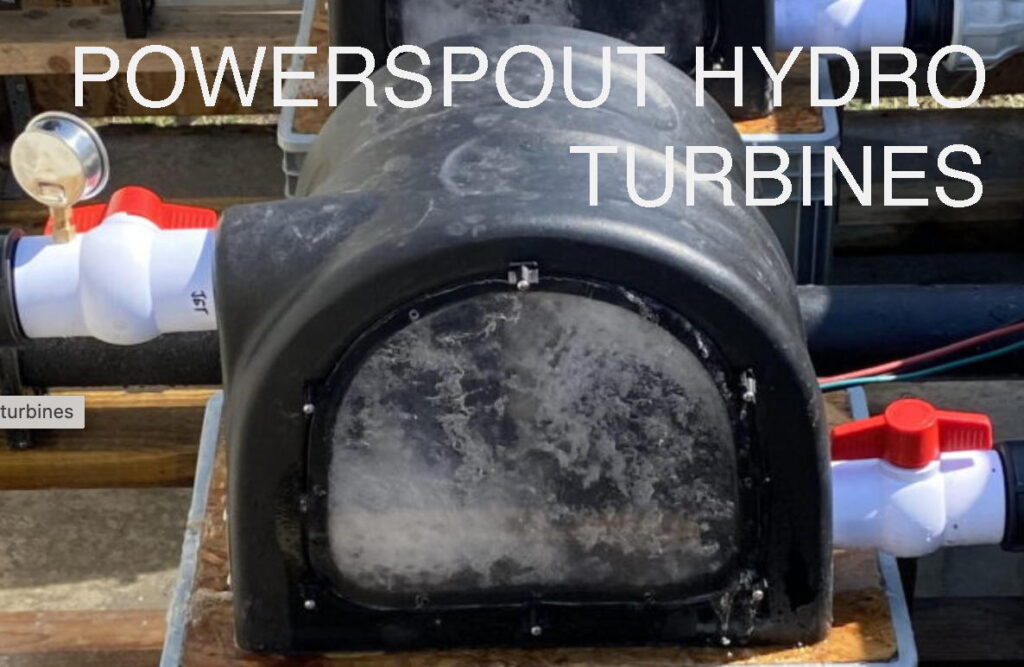
- Another is to prevent overspeed of disconnected wind or hydro turbines where these are the source of the energy.
An unloaded turbine speeds up and becomes noisy, adding to wear and tear and producing higher output voltage that can destroy the controller. If you only have solar and you do not need hot water then there is no advantage to a diversion controller.
What’s the best way to control a hybrid system (with both solar PV and wind/hydro turbine)? You can do this with one big diversion controller. The controller connects to the battery and the charging sources each connect directly to the battery. Here is a typical wiring diagram. You can buy an MPPT controller (to improve performance) but you don’t have to. Actually I find that a standard grid-tied solar panel connected directly to a 24V battery is close enough to its maximum power point that you don’t need MPPT for short wire runs. Or you can use a solar MPPT controller (and a hydro MPPT controller) alongside a diversion controller.
Will the charge controllers conflict with each other in a hybrid system? Where you have a solar(usually MPPT) charge controller and a wind or hydro diversion charge controller on the same battery then the settings for both controllers must be suitable for the battery type. They may not agree perfectly as to the set-point voltage for optimum charging all of the time and at every stage, but they don’t need to. Think of them as a committee of experts. Committees rarely agree, but whoever you listen to is probably going to do a good job, being an expert after all.
What happens if the diversion controller is not big enough to dump the solar power? You might have a hybrid system with 2kW of solar PV working 2 sun-hours per day and 200W of hydro working 24 hours. (The wee hydro produces more kWh of energy than the solar.) The dump load should be sized for the hydro (at least 200W). What happens if it starts to dump solar power? The dump load itself has an inherent maximum current. So long as the diversion controller can handle the current in the dump load on 100% duty there is no problem. It will not be overloaded. If this fails to control the battery voltage then it will rise slightly and the solar controller will back off solar current and limit the charge rate according to its (slightly different) chosen set-point.
How do I set the controllers to make best use of the solar power to heat water? If your diversion controller is heating water then you may want it to produce as much as possible. In this case you should set the voltages slightly lower in the diversion controller and slightly higher in the MPPT one so that the diversion operates first on rising voltage and the MPPT acts as a safety net if the diversion load is maxed out and the voltage rises further. Make sure that both controllers have setting that are acceptable to your battery. Set your hydro MPPT controller to the highest set-points of all so that your hydro is never unloaded. This controller is only valuable for MPPT function (and it’s also comforting as a safety net in case the diversion control fails).
Where can I get a diversion controller? The best ones on the market are the Morningstar Tristar 45 and Tristar 60 controllers. The Xantrex C40 is kind of OK but a lot less stable in operation. There are not many other commercial ones available. Here is one. Missouri wind and solar offer one but I don’t know if they are good (comments?).
You can find low cost ones that divert hundreds of amps via a relay but these are rather crude in operation. Most diversion controllers have a diversion mode and a solar mode so make sure you understand the difference and configure the controller correctly for your needs. Some divert directly off the turbine and stall it so it slows down but these will not give you much useful hot water from a wind turbine in low winds.
Can I make my own charge controller? Yes indeed. It’s a fun DIY electronics project. I have made a lot of them in the past but to be honest the Tristar is cost-effective and much better in so many ways. But I will try to do another post soon with details of various DIY charge control projects.