Adriaan continues to add to the impressive list of reports that are free to download from his web site. These provide a valuable resource to students or designers working on small wind projects.
sent to me by: Dave & Mary Lahar, Northeast Kingdom, VT, USA
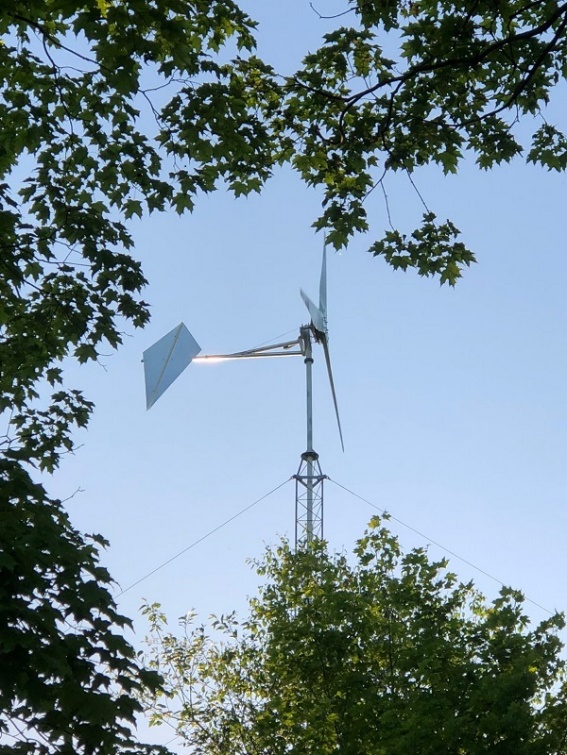
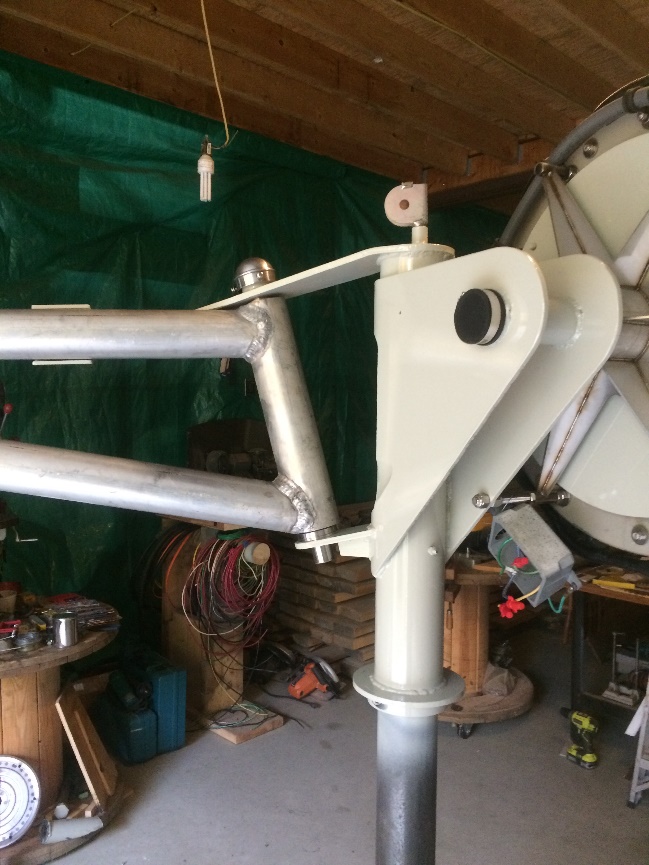
4.6 m (15’) axial with power furling
26 m (85’) guyed tower
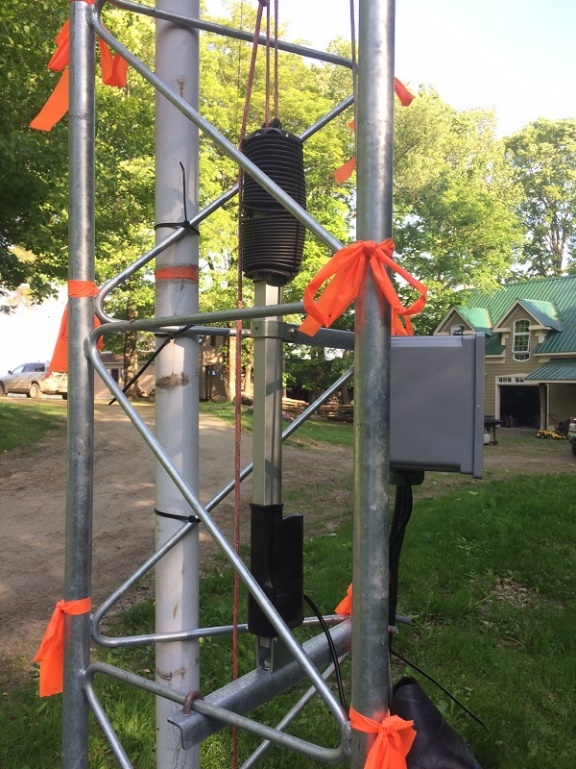
The furling actuator is mounted in the base
of the tower. It is 12VDC, travels .46 m
(18”) and is rated at 68 kg (150 lbs). It
has a built-in potentiometer feedback allows for position control.
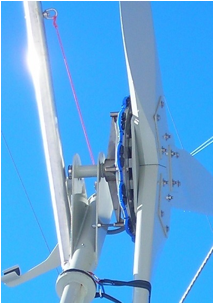
The actuator pulls on a 4 mm dyneema line
to furl the tail through a pivoting snatch block, like those used on many PTO
tractor winches. Dyneema is very strong,
light-weight and has virtually no stretch.
A small sash weight keeps the line taught, and the tail is free to furl
independently.
When the winds are predicted to be
unusually high, or rough (or both), or when we have ample solar production we
can easily shut things down manually. This is by far the softest method –
furl the tail, and close in the (resistive) load bank – now we’re ready for
most anything that comes our way.
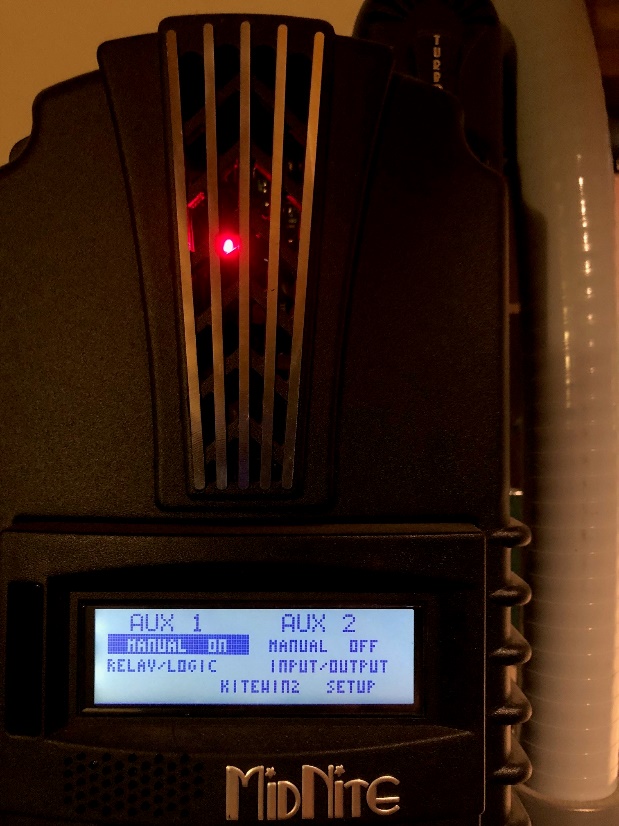
The furling actuator is also controlled by
the charge controller whenever the input voltage gets above a user-selected
pre-set. It is a simple dry-contact
relay action.
We originally had a small hand winch to
operate the tail, and that worked fine.
This arrangement allows things to be controlled from the house. When the wind gets unruly, as it regularly
does, or the PV is ample for the loads, it is nice to be able to save the wear
and tear on the turbine. The actuator
has been in place now for about two years and has worked very, very well for
us.
Thanks again for all your inspiration and
we hope this may be of use to some of your readers.
A friend has suggested that I flag up the consultation that is taking place in the UK about this new method of support for grid-connected renewables including wind and solar.
“I think this is an important consultation for small grid-connected wind, because the potential for time-of-day and even spot market export tariffs could make owning a turbine much more attractive for crofters, farmers, small businesses, and communities.”
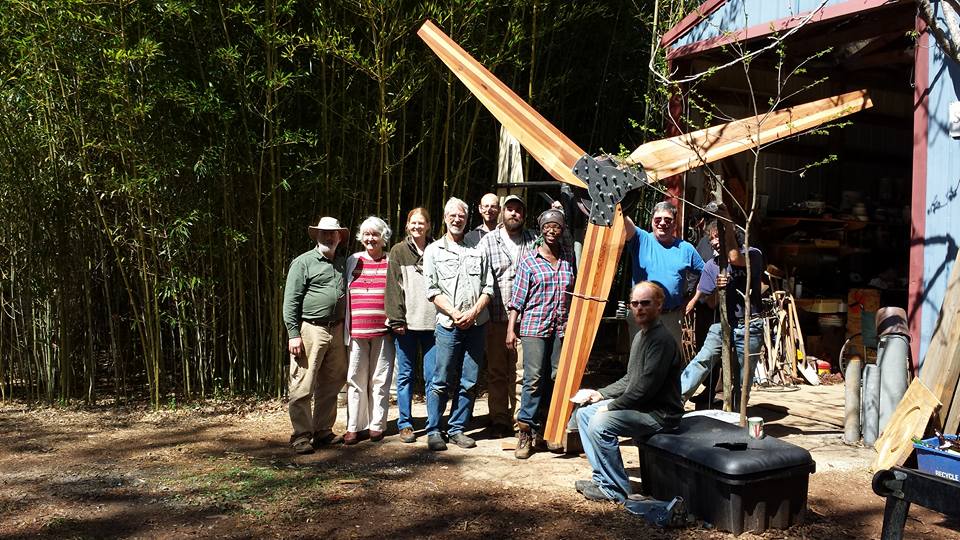
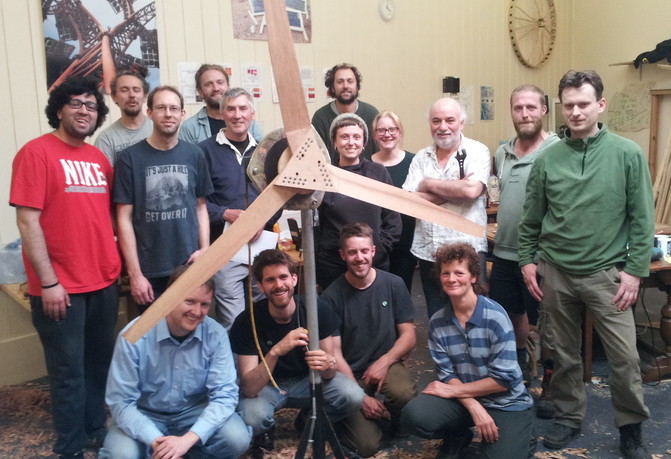
This year Dan Bartmann is back at The Handy Village Institute for their fourth Homebrew Wind Turbine Workshop, March 25-30, 2019, near Saxapahaw, North Carolina, USA.
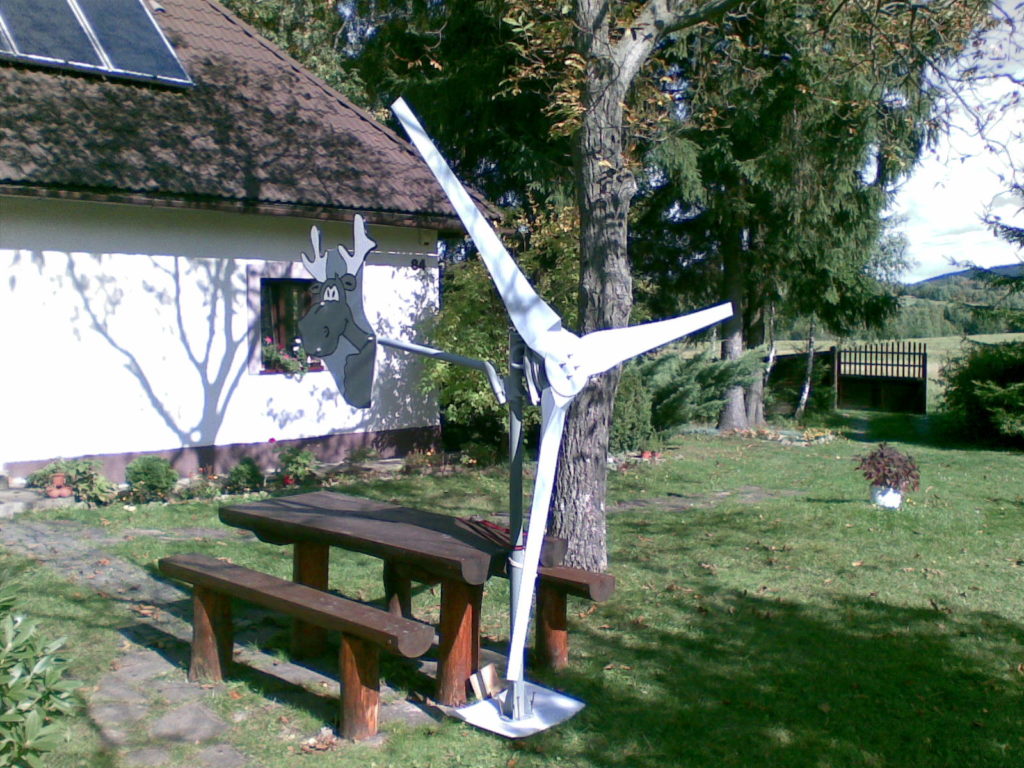
Regarding my wind turbine, what to say. I’am DIY man and it is my hobby. I have weekend house in the mountains approx. 650 meters above sea level and sometimes its pretty windy here. Inspired by Otherpower.com many years ago I told myself why not to build small wind turbine. I bought from you plans sometimes around 2005.
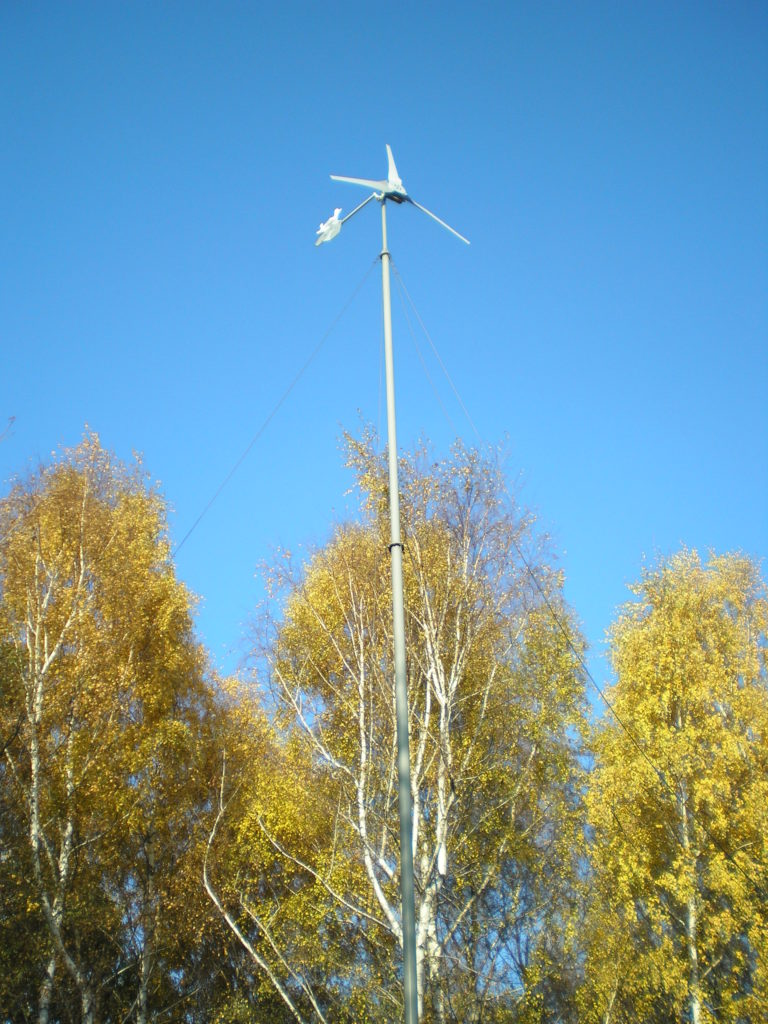
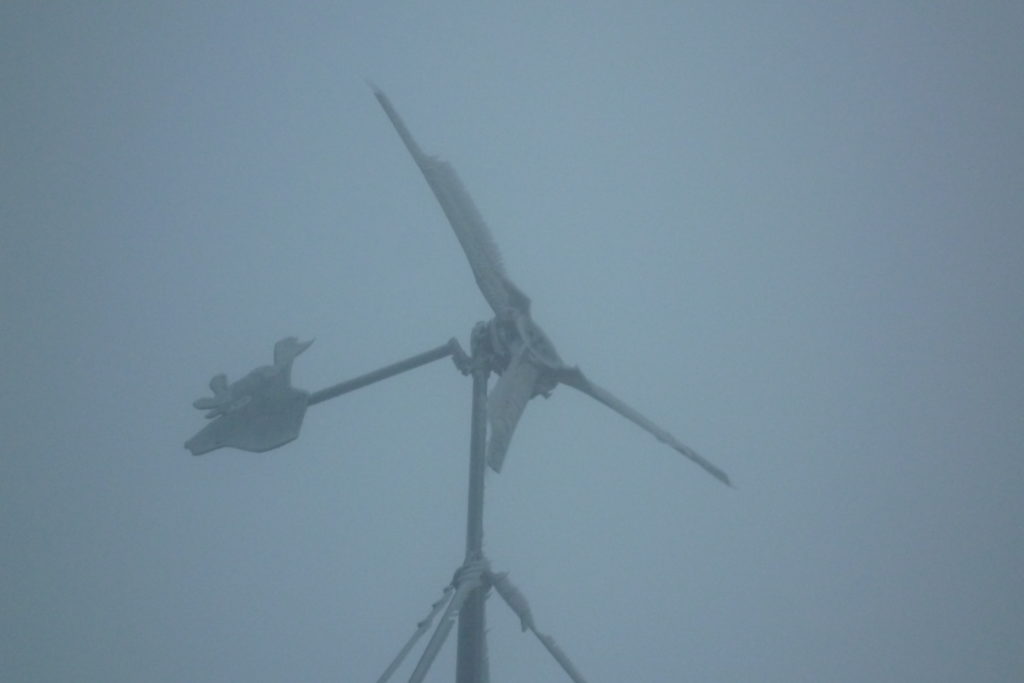
My wind turbine is clone of your’s design: 2.8m diameter, coils modified to start at little bit lower rpm, pole is approx. 18 m high, system is 24V, charging batteries and using produced electricity via inverter. Later on I added PV panels to cover consumption during non windy days. During those approx. 11 years I’am running it I had once problem when during the storm tail felt out and interfere with the blades and now I’am doing some service as the hub bearing became noisy.
Some pictures (btw I like North, moose and reindeer 🙂 )
It’s great to see Tom Dixon of V3 power is doing a series of courses at the Centre for Alternative Technology in Wales where I used to teach for twenty odd years.
Public Wind Turbine Workshops
1-2nd December 2018 – Public – Centre for Alternative Technology, Wales – info here
23-24th March 2019 – Public – Centre for Alternative Technology, Wales – info here
5-6th October 2019 – Public – Centre for Alternative Technology, Wales – info here
Here is another design document available free from Adriann Kragten. He wrote to me:
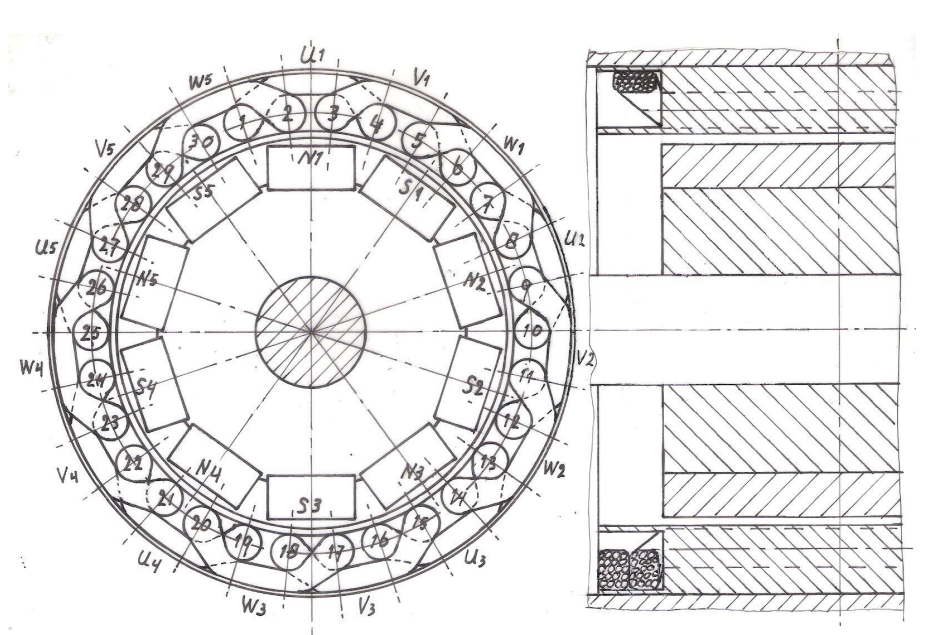
“Recently I have written report KD 664 which can be copied for free from my website: www.kdwindturbines.nl at the menu KD-reports. The title of this report is: “Calculations executed for the 2-bladed rotor of the VIRYA-1.8W windmill (lambda design = 6.25, wooden blades) used in combination with an 8-pole permanent magnet generator frame size 71 with a stator with no iron in the coils”. This is a rather simple rotor with water proof plywood blades coupled to each other by a thin stainless steel strip to make the rotor elastic. The blades have a constant cord and blade angle. I have used the Gö 711-12% airfoil which has a lower side which is flat for 97.5 % of the cord.
“The rotor is meant to be used with the radial flux PM-generator as described in public report KD 644. As this generator has almost no sticking torque, it can be used in combination with a rotor with a low starting torque coefficient and still have a low starting wind speed. As there are no iron losses, the generator will have a high peak efficiency . The advantage of using a standard motor housing is that the coils and the magnets are well protected against rain and that most components are mass produced and therefore rather cheap.
“This new report KD 664 contains detailed drawings of the rotor and the hub in the appendix. The VIRYA-1.8W makes use of the same head and tower as used for the VIRYA-1.8. Fotos of drawings of these head and tower are given in the manual part 2 of the VIRYA-1.81 which is given at the bottom of the menu KD-reports. To give an impression of the VIRYA-1.8 rotor drawings, I have added drawing 1801-01 as an attachment.
Thanks to Ivan Juretic for these lovely pictures of the wind turbine he built and installed in the mountains of Croatia. I like the style of the tail stops. They are simple and slick.
Parts ready for welding
Interesting new ideas for the cable ducting and the tail stops.
nice castings.
Tail in low position. Note the way the stop works.
Tail in high position. Again note the stop.
The 24V system details: 2.4 m turbine(connected directly to the battery)
8 PV panels rated power 280 W (connected directly to the battery)
2 forklift truck batteries 12V 120 Ah (to be expanded later), Victron inverter
2 x TS60 diversion load controllers 2 x temperatures sensors for battery 4 x 1.0 ohm 1000W resistors
AC diversion circuits (using tristar follower):
Under floor heating wires 220 V 2x 500 W
and water heater 220V 2000W 110 lit.
From: Mike Allen
Subject: Re: A Wind Turbine Recipe Book
Date: 12 April 2013 10:53:18 BST
To: jytte
I recieved the book yesterday and when it arrived I thought ‘this isn’t worth £12’.
But how wrong I was once I’d opened the envelope and settled down to read the contents with a cup of coffee. 3 hours later the coffee was stone cold and I was still reading the book.
Loads of info to be getting on with.
I’ll email Hugh when my terbine is up and running with some pics.